Technique
The order of a car wash: two buckets outside, top down inside
Wheels first, panels last, dry before it dries itself. The washing sequence that prevents swirl marks, and the 25 minutes an interior actually takes.
Swirl marks are not caused by dirt. They are caused by grit that was already on the car being dragged across the paint by the thing that was supposed to remove it, which is why the sequence of a wash matters more than the soap in it.
This guide sets out that sequence for the outside and then for the inside, with the times each stage realistically takes. It contains no product recommendations and no test results, because nothing here has been tested by us.
Set up before you wet anything
Two buckets, both with grit guards: one with soap solution, one with plain rinse water. The guard is a plastic grate that sits in the bottom and keeps the grit you rinse off the mitt from being picked up again. A single bucket makes the rinse water into the soap water within three panels.
Work in the shade, or early or late in the day. Soap drying on hot paint leaves mineral deposits that then have to be removed, which turns a 35 minute wash into a longer job for no reason. The same applies to rinse water on glass.
Choose the surface before you fill the buckets. The Environmental Protection Agency's household guidance asks for a pervious surface such as grass or gravel rather than concrete or asphalt, so the water is filtered before reaching a water body, with a nontoxic, phosphate-free soap used in the amount the label states.
- Soap bucket and rinse bucket, both with grit guards in the bottom
- Separate bucket, brush and mitt for wheels, never shared with paint
- Shade or an overcast hour, so nothing dries on the panel mid-wash
- Grass or gravel where available, a shut-off nozzle either way
- Phosphate-free soap at the dose on the label, since more is not better
Wheels first, then top down
Wheels and arches hold the heaviest grit and the brake dust, so they are washed first with their own bucket and brush while the paint is still dry. Doing them last splashes everything you just cleaned; doing them with the paint mitt transfers brake dust directly onto the panels.
Then rinse the whole car from the top down to float off loose grit before anything touches it. This is the stage a pressure washer genuinely improves, because a fan nozzle at a sensible distance moves more loose material than a hose does in the same time.
Then wash panel by panel, top down, rinsing the mitt in the plain-water bucket after every panel and reloading from the soap bucket. Roof, glass, hood and trunk, upper doors, lower doors, bumpers and sills last. The lower six inches of any car carries most of the road film, which is why it comes at the end and never goes back up.
| Stage | Minutes | What it prevents |
|---|---|---|
| Wheels and arches with their own bucket and brush | 10 minutes | Brake dust being carried onto paint |
| Full rinse, top down | 5 minutes | Loose grit being dragged by the mitt |
| Panel wash, top down, rinsing the mitt each panel | 12 minutes | Swirl marks from reused grit |
| Final rinse, sheeting from the top | 3 minutes | Soap drying on the panel |
| Drying with a clean towel | 5 minutes | Mineral spots from evaporating water |
Times are for a mid-size sedan at a normal level of dirt and total about 35 minutes. A heavily soiled car adds to the first and third stages rather than to the rest.
Drying is part of the wash, not an optional extra
Water left to evaporate leaves behind whatever was dissolved in it, which is why a car that has been rinsed and left looks worse than one that was not washed at all. Removing the nozzle and letting water sheet off the panels from the top takes most of it in about 3 minutes.
What remains comes off with a clean drying towel used in straight lines rather than circles. The reason is visibility rather than physics: any marks left by straight passes are far less noticeable than circular ones under a low sun, and a towel that has touched the ground goes in the wash rather than back on the paint.
Door shuts, the trunk gutter and the fuel filler recess hold water that reappears as drips ten minutes later. Opening each one and wiping it adds about 2 minutes and is the difference between a finished car and one with streaks down the lower doors.
Inside, also top down, and in four passes
The interior sequence is loose items out, then dry debris, then surfaces, then glass. Doing glass before surfaces means cleaning it twice, because dust raised from the dashboard settles on it. The whole job runs about 25 minutes in a car that is vacuumed regularly and considerably longer in one that is not.
Dry debris comes out with a vacuum and a soft detail brush working into the seams, under the seat rails and along the base of the windscreen. A brush agitating a seam while the vacuum nozzle sits beside it removes more in 2 minutes than a nozzle alone does in 10.
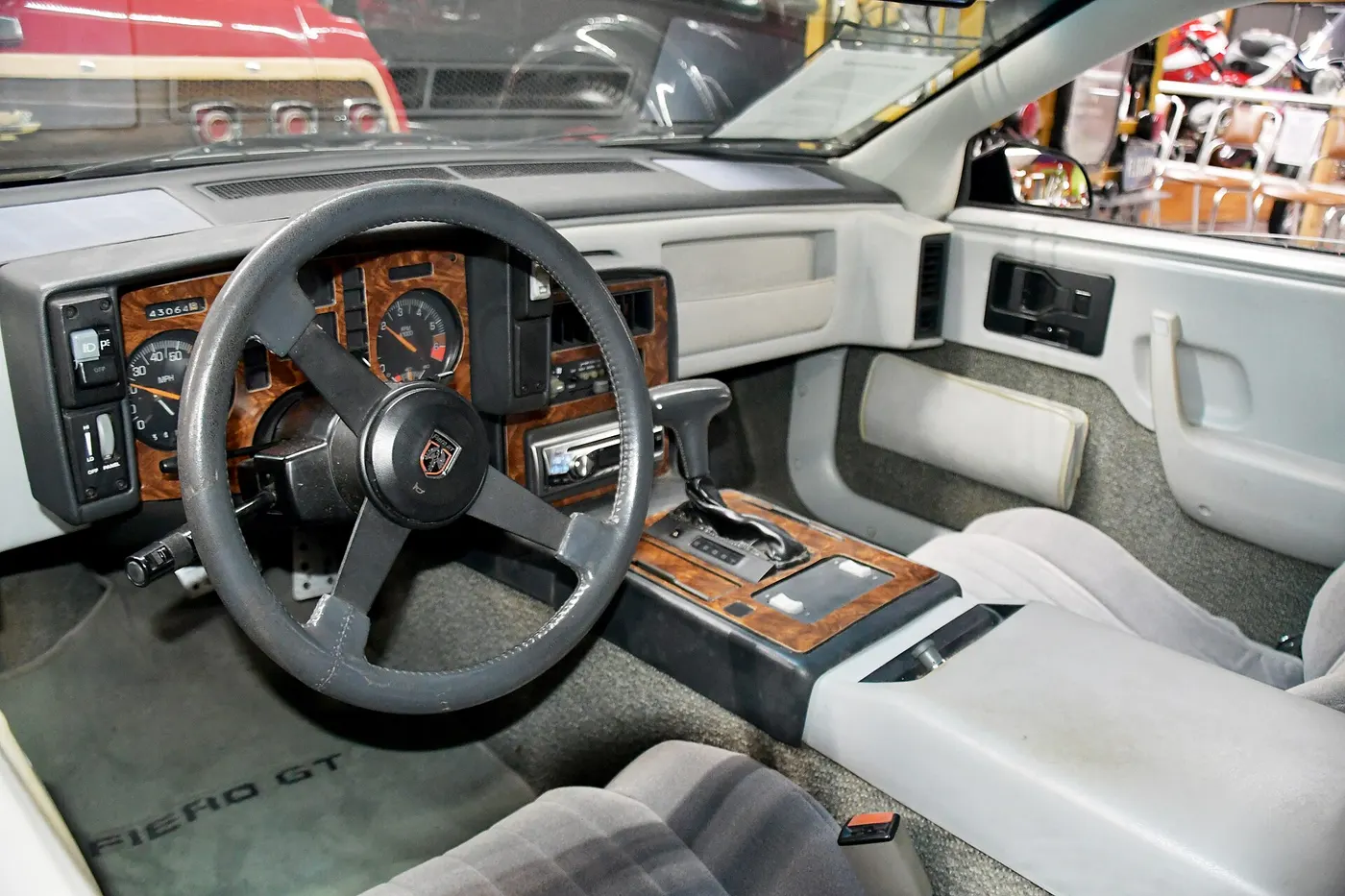
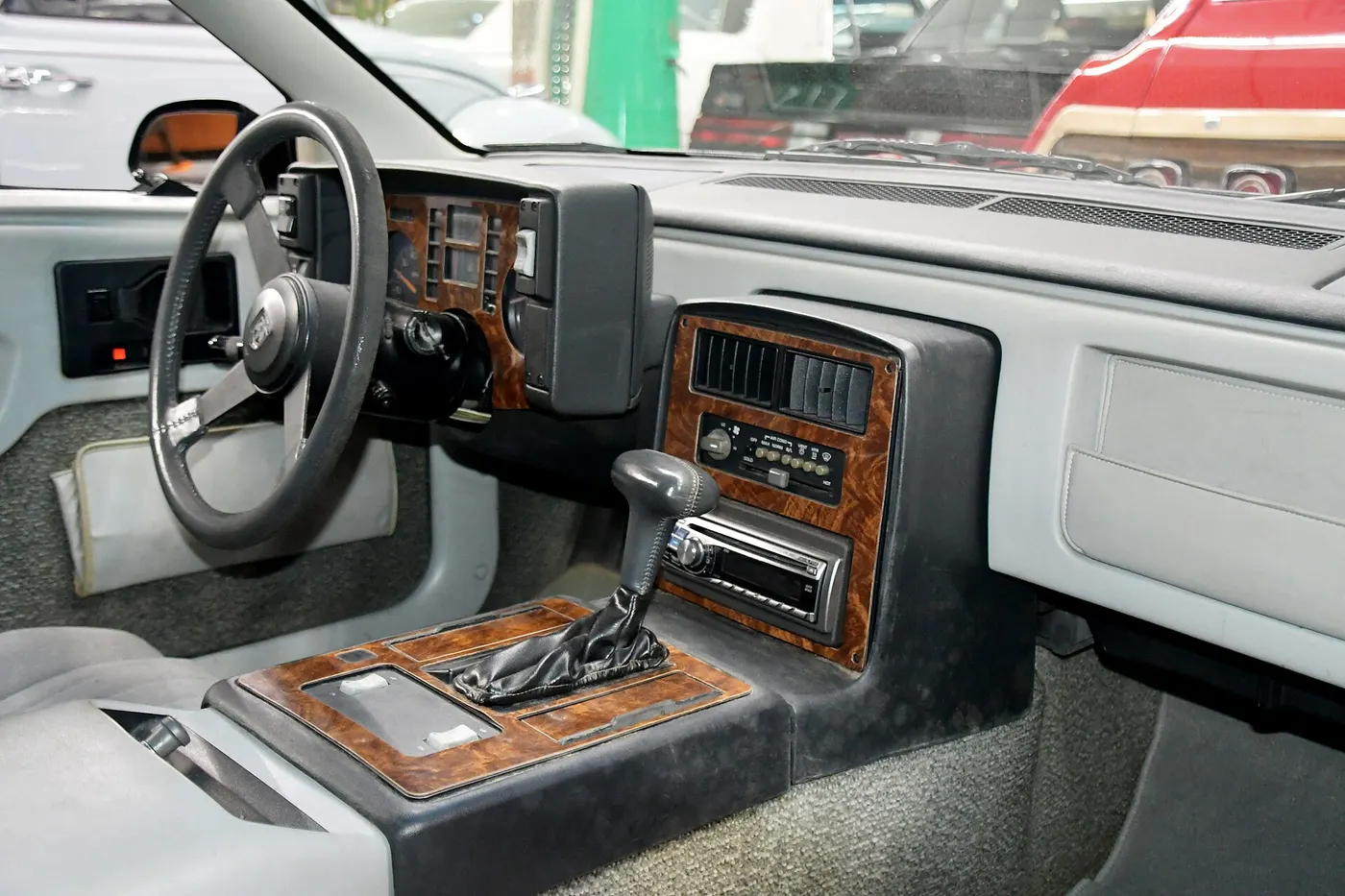
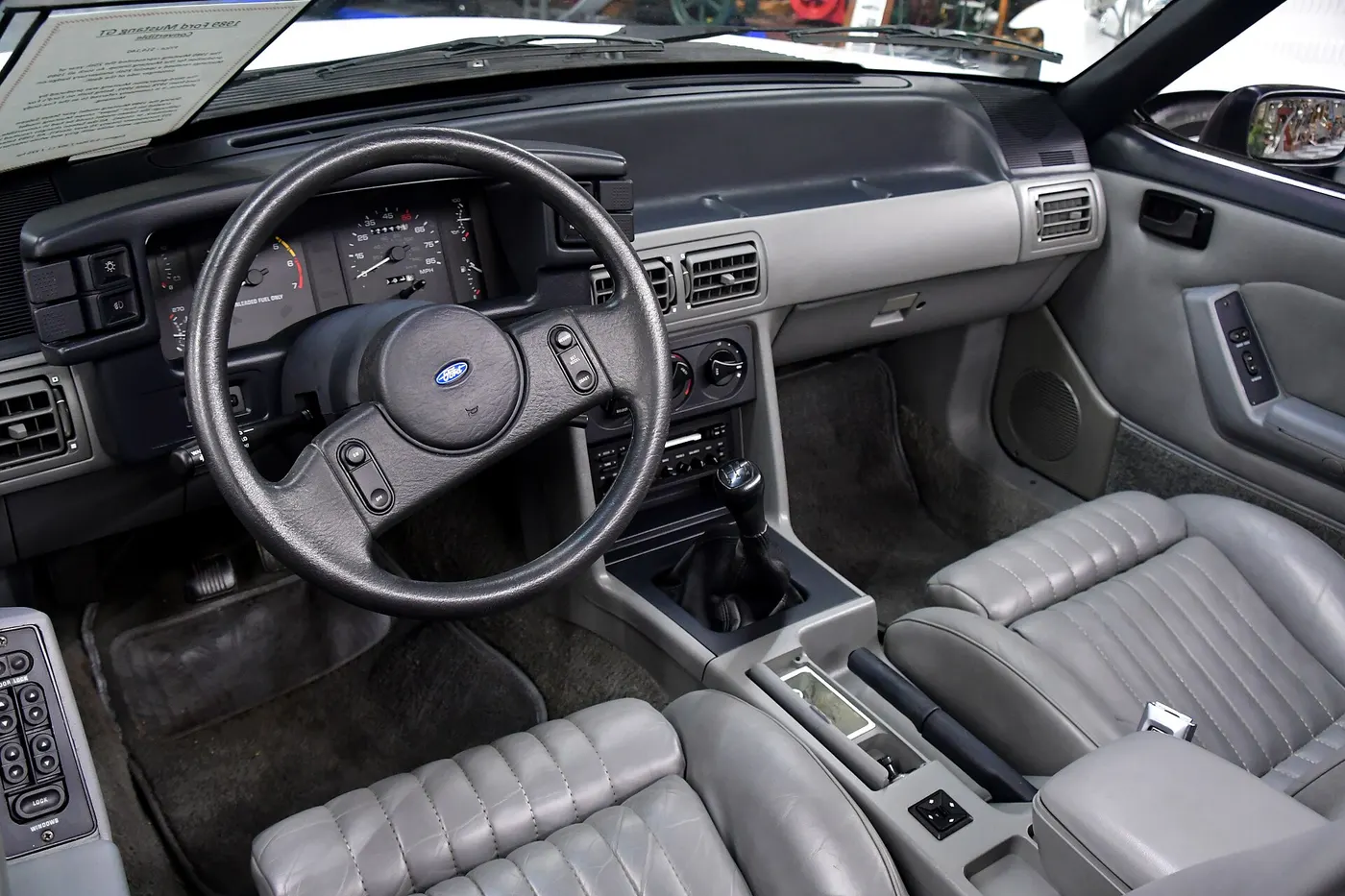
Surfaces follow, and the material decides the product. Older interiors use vinyl, velour and untreated leather, and a strong all-purpose cleaner will bleach vinyl graining and dry out leather. A damp microfibre with a dilute, neutral cleaner handles most of it; textured plastics come up with a soft brush rather than more product.
| Pass | What you do | Minutes |
|---|---|---|
| Clear | All loose items, mats out, trash removed | 3 minutes |
| Dry debris | Vacuum with a detail brush into seams and rails | 10 minutes |
| Surfaces | Damp microfibre, dilute neutral cleaner, soft brush on texture | 8 minutes |
| Glass and screens | Dedicated glass cloth, screens last with a dry cloth | 4 minutes |
About 25 minutes in total for a regularly cleaned car. Screens go last and dry, because glass cleaner can damage anti-glare coatings.
The three mistakes that cost the most
One bucket is the first. Rinse water and soap water in the same container means the mitt reloads with the grit it just released, and swirl marks follow within a few washes. Two buckets with guards cost about $0.29 a wash spread over 120 washes, against a machine polish to remove the marks.
Washing in direct sun is the second, because soap and water both dry on the panel and leave deposits that then need removing. Moving the job to the shade costs nothing and removes the whole category of problem.
Using the same mitt on wheels and paint is the third. Brake dust is metallic and embeds in the pile, and the pile then carries it onto the panel. Separate tools for wheels are the cheapest insurance in this guide, and keeping them visibly different is what makes the habit stick.
Before you buy
- Fill two buckets with grit guards, one soap and one plain rinse water
- Keep a separate bucket, brush and mitt for wheels and never let them touch paint
- Move the car into shade before starting
- Wash wheels and arches first, while the paint is still dry
- Rinse the whole car top down before the mitt touches anything
- Rinse the mitt in the plain-water bucket after every single panel
- Dry by sheeting water from the top, then a clean towel in straight lines, then the door shuts
- Inside, work clear, vacuum, surfaces, then glass, with screens last and dry
Questions readers ask
- How long does a full wash take?
- About 35 minutes outside and 25 minutes inside for a mid-size sedan at a normal level of dirt, which is 60 minutes in total. The wheels and the panel wash are the two stages that stretch on a heavily soiled car; rinsing and drying stay roughly the same whatever the condition.
- Why two buckets rather than one?
- Because the mitt has to be rinsed somewhere that is not the soap. In a single bucket the grit released from the mitt goes straight back into the solution it reloads from, and that grit is what cuts swirl marks into the clear coat. Grit guards in the bottom of both buckets keep the settled material out of reach.
- Does a pressure washer replace the mitt?
- No. It removes loose grit and pre-soaks bonded dirt well, which is why it belongs at the rinse stage. The bonded road film that makes paint feel rough to a fingertip comes off by contact with a lubricated mitt, and no pressure setting that is safe for paint replaces that.
- Should I wash the glass inside before or after the dashboard?
- After. Cleaning the dashboard first raises dust that settles on the glass, so doing glass first means doing it twice. Screens go last of all, with a dry cloth rather than glass cleaner, because ammonia-based products attack anti-glare coatings.
- Can I wash a car on the driveway?
- The EPA's household guidance asks for a pervious surface such as grass or gravel rather than concrete or asphalt, so water is filtered before it reaches a water body, and for nontoxic, phosphate-free soap used in the amount the label states. On a paved driveway draining to a gutter, the wash water reaches the storm drain untreated.
Sources
Some links on this site can earn us a commission. That does not change which product a guide recommends, and it adds nothing to your price. Advertising is not enabled on this site yet. When it is, ads will be labelled and kept visually separate from the guides.